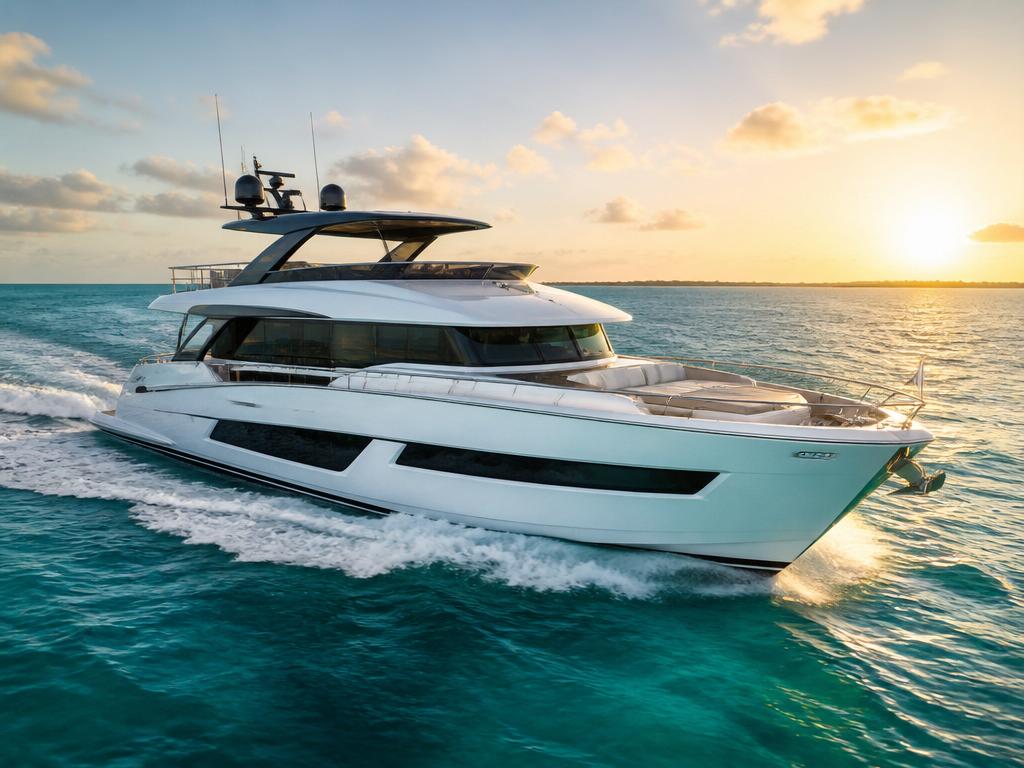
Custom Yacht Design
High-speed motor yachts, sailing yachts, and day-cruising yachts tailored to your vision.
Complete naval architecture and marine engineering — from concept sketch to class-approved construction drawings.
High-speed motor yachts, sailing yachts, and day-cruising yachts tailored to your vision.
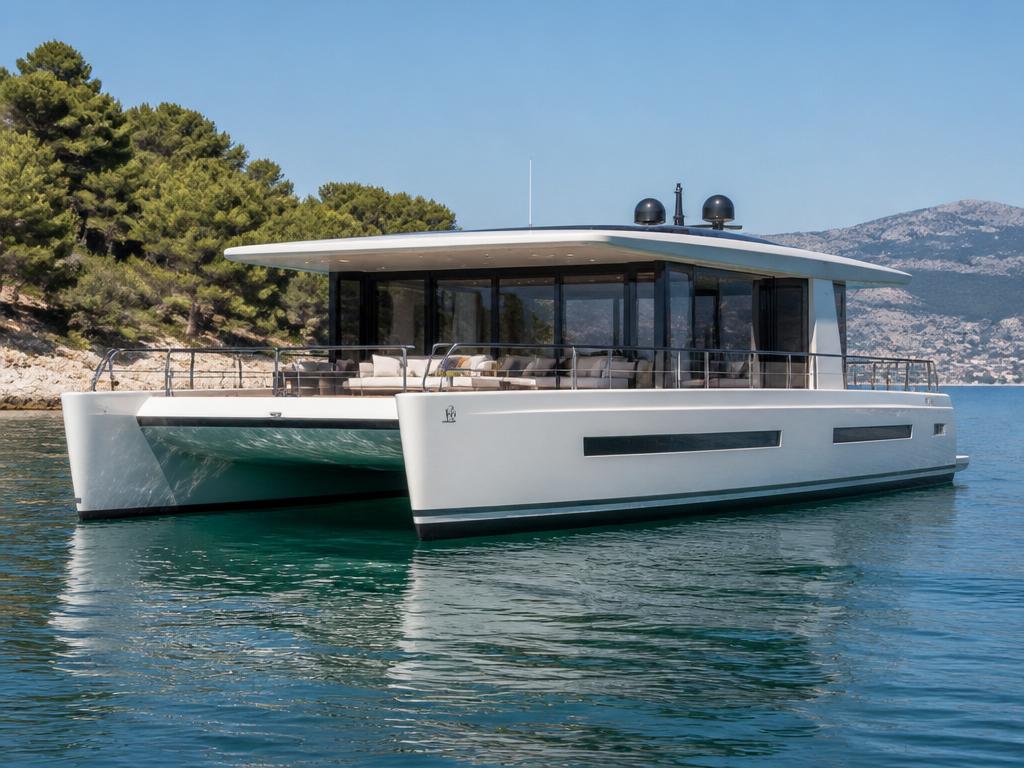
Catamarans, houseboats, floating restaurants, and bespoke pleasure craft.
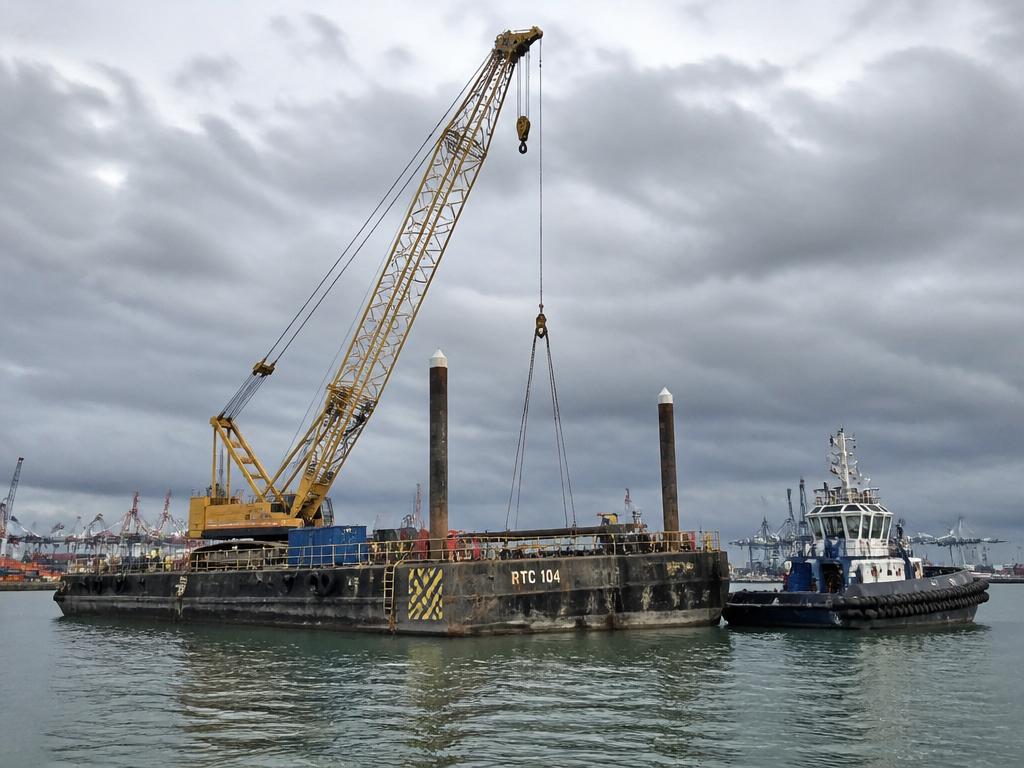
Tugboats, dredging barges, crane vessels, and utility workboats engineered for duty.
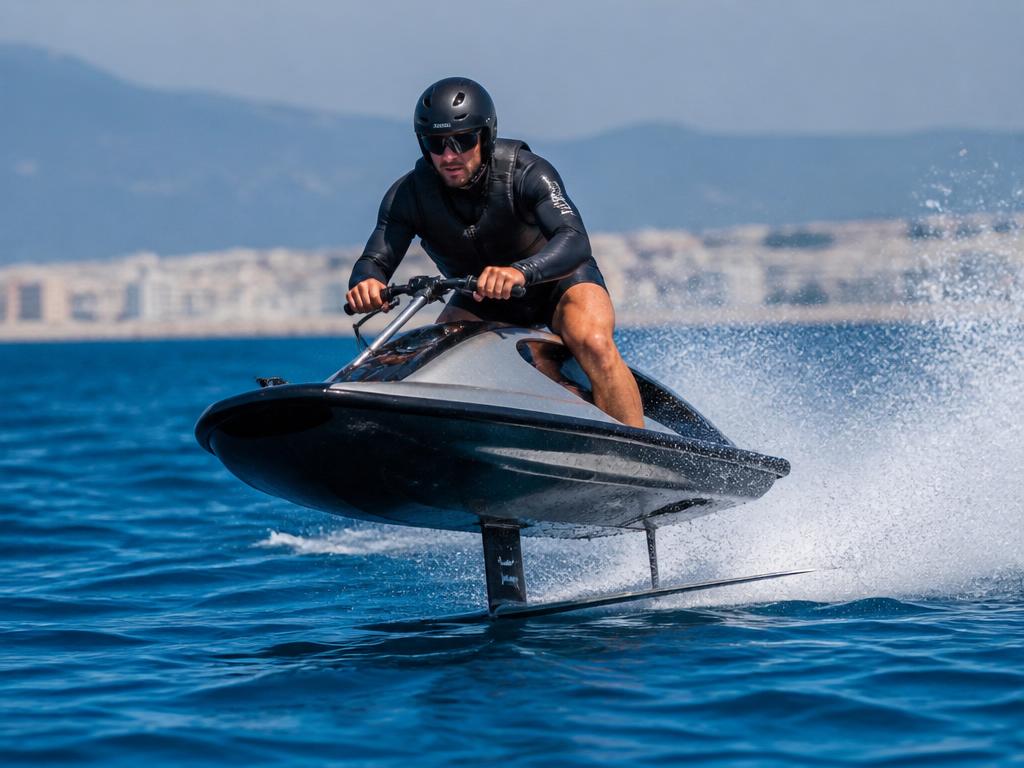
Jet skis, hydrofoils, water bikes, small dinghies, and performance craft.
The following outlines possible work, not fixed packages. Exact inputs, analyses, drawings, reports and exclusions are agreed per proposal. Approval support does not guarantee approval: the relevant class society or statutory authority retains responsibility for its review and decision.
These levels describe the purpose of the work, not standard packages. Exact scope is agreed per proposal.
Hull form definition and preliminary general arrangement.
Establish the vessel direction and layout before detailed engineering.
Not a construction package or completed engineering verification.
Hydrodynamic, stability and structural analysis, with powering and systems coordination where commissioned.
Develop and assess the design against agreed operating conditions and applicable criteria.
Analysis coverage and report requirements are proposal-specific.
Complete general arrangement, production drawings and build documentation.
Communicate the agreed design for construction and approval review.
The drawing list, revision support and submission responsibilities must be agreed.
Five stages, executed by certified naval architects — from first line to final class approval.
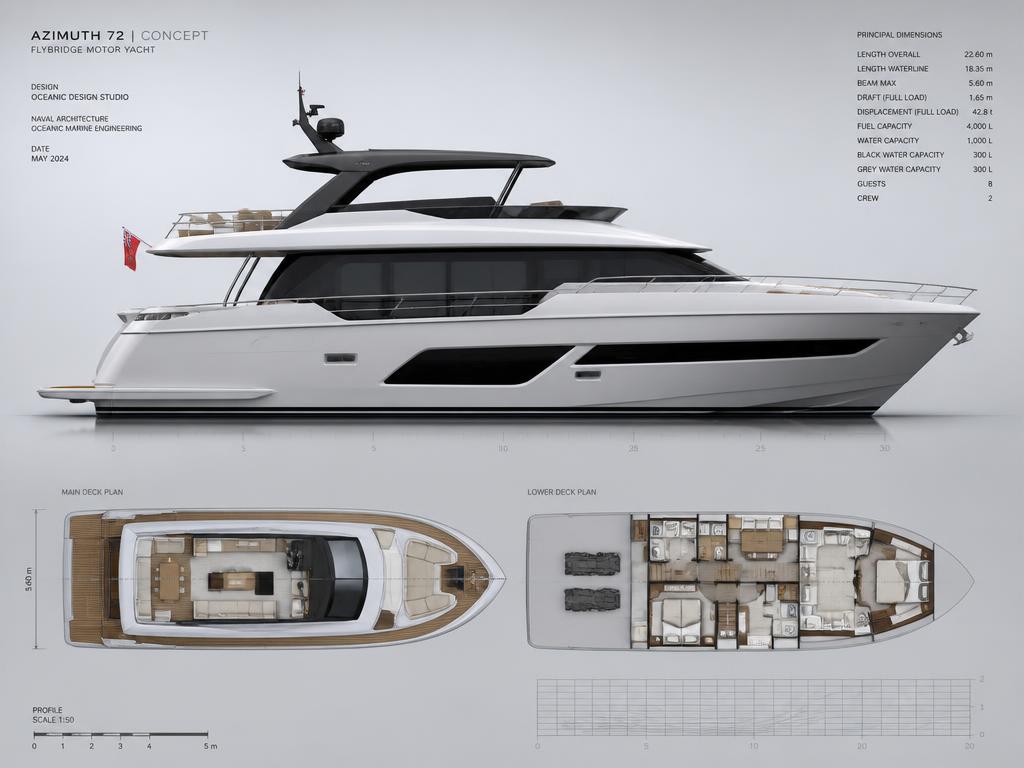
Concept development, hull form definition, and preliminary general arrangement.
Design: hull modelling and interior/exterior general arrangement establish the vessel geometry and layout.
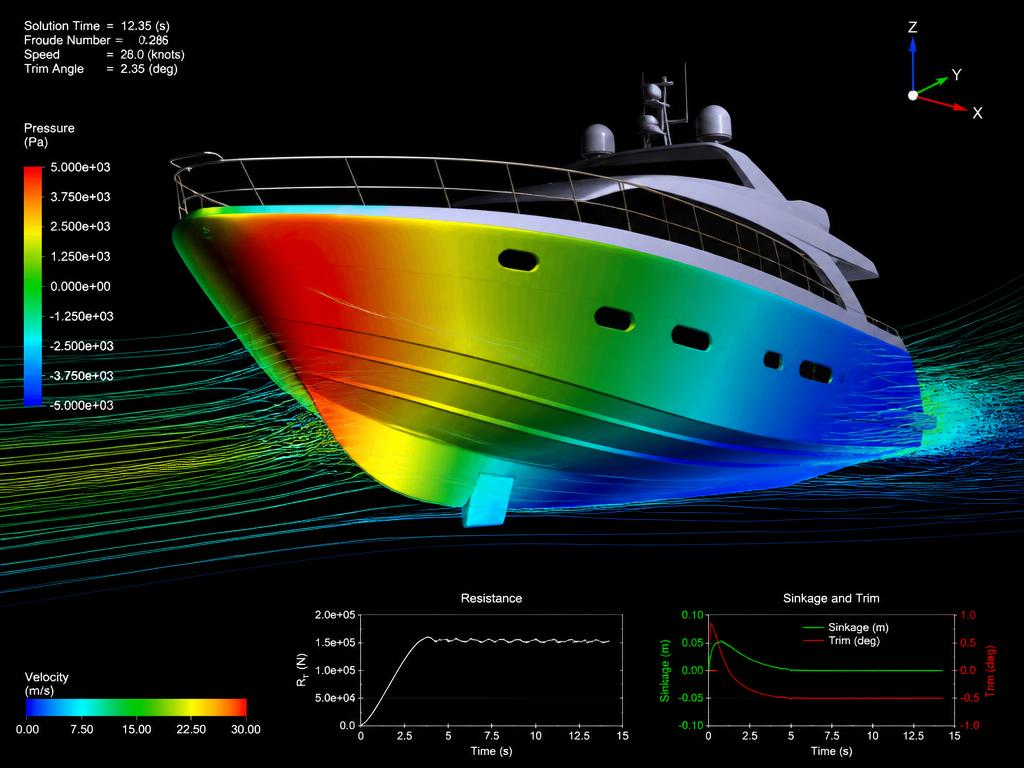
CFD, resistance, stability (GZ curves), seakeeping, and performance validation.
Hydrodynamic Analysis: powering, stability and hull performance develop the engineering assessment.
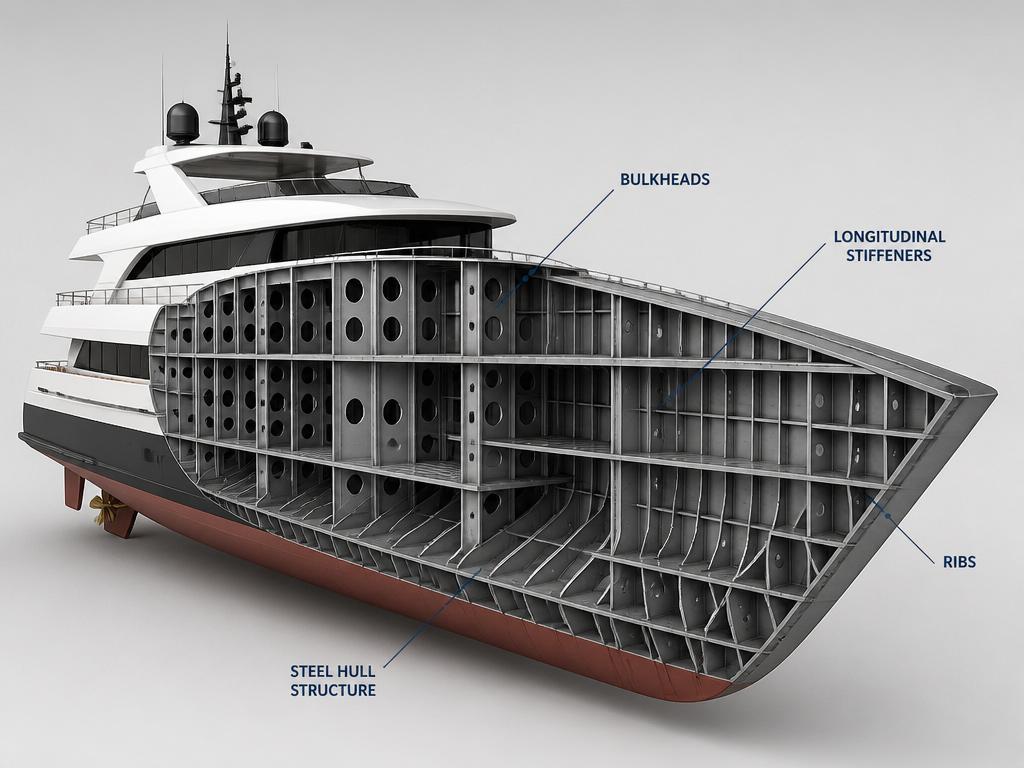
Scantling, frames, bulkheads, and load-path engineering per class rules.
Structure Design: structural engineering is coordinated with the hull, arrangement and systems requirements.
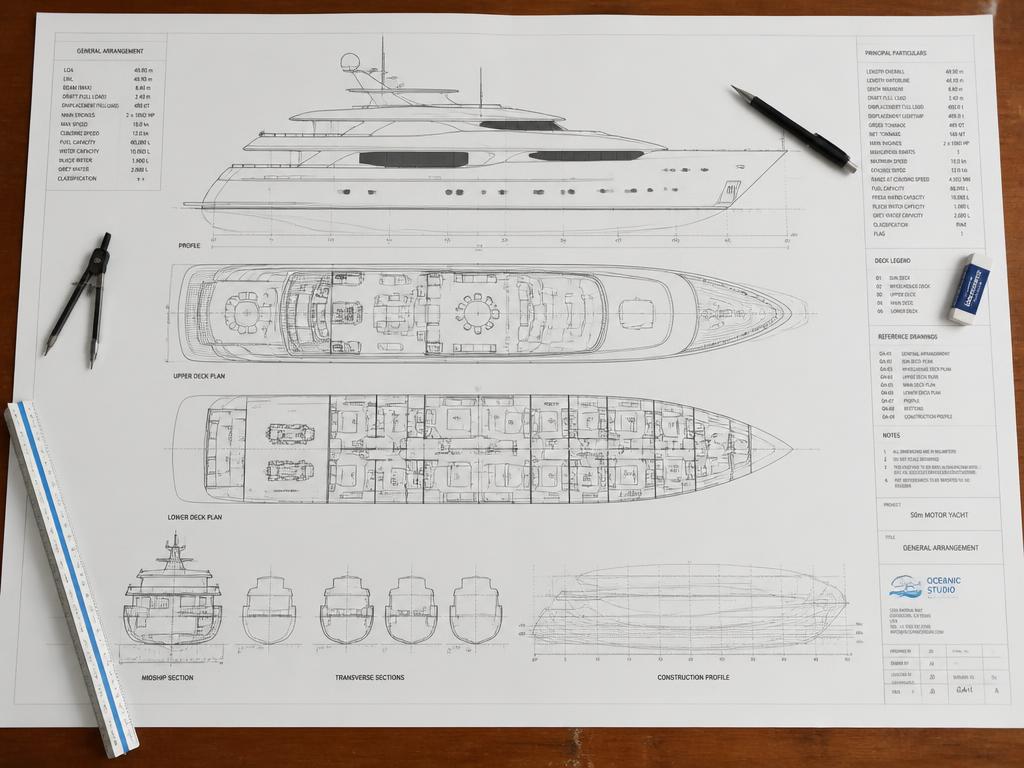
Complete general arrangement, production drawings, and build documentation.
Construction Drawings: HVAC and MEP routing (piping, ventilation, fuel and electrical) is coordinated with production drawings where included.
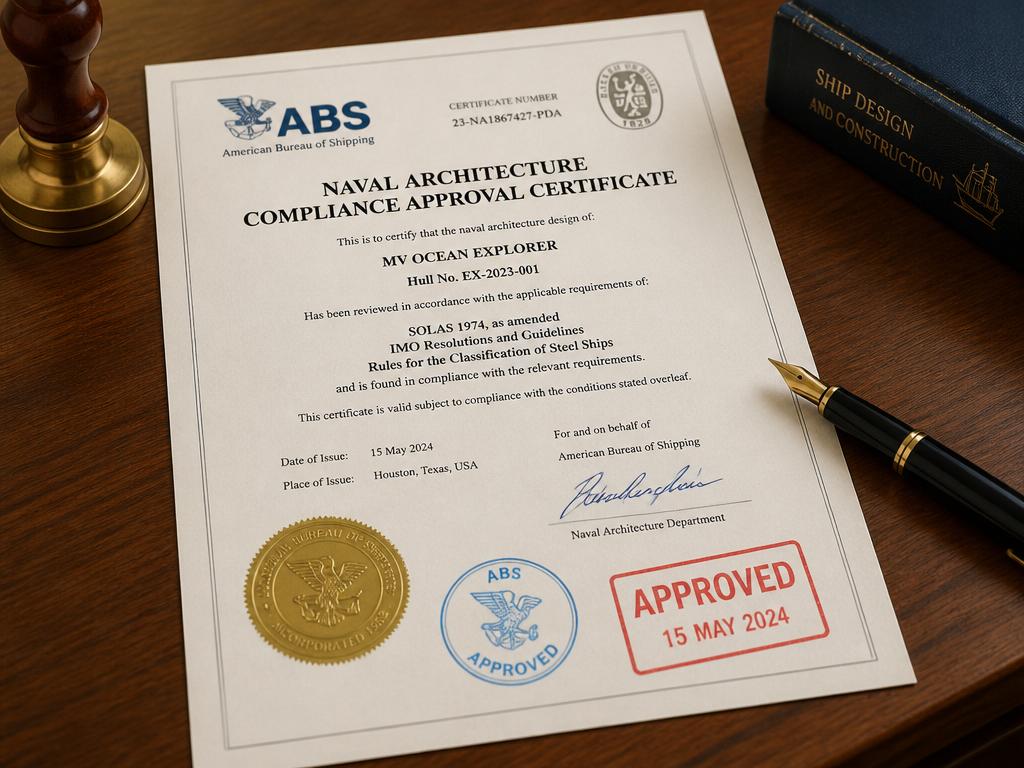
Class and statutory approval — ISO 12215, ISO 12217, LR, ABS, DNV, IMO.
Final Approval & Compliance: the agreed drawings and analyses support review by the relevant class or statutory authority.
These five project stages group the seven technical tasks discussed through Ask AOS: hull modelling, general arrangement, powering, stability, structure, systems routing and production drawings. Tasks may overlap as the design develops; the proposal defines which are included.
Compliance with international standards including ISO 12215, ISO 12217, IMO, Lloyd's Register (LR), ABS, and DNV.